AI content generation
SHAPE’s AI content generation service helps teams generate text, images, and code using generative models with brand governance, safety guardrails, and measurable quality. The page explains how to choose tools, common use cases, and a step-by-step playbook to launch production-ready workflows.

AI content generation helps teams create and transform content faster by generating text, images, and code using generative models. SHAPE designs production-ready workflows that combine model selection, brand and style governance, safety guardrails, and measurable quality—so AI content generation becomes a dependable capability across marketing, product, support, and engineering.
AI content generation overview
- What SHAPE’s AI content generation service includes
- What is AI content generation (and what it isn’t)?
- How to choose AI content generation tools and workflows
- Core capabilities: generating text, images, and code using generative models
- Quality, safety, and governance for AI-generated content
- Use case explanations
- Step-by-step tutorial: launch an AI content generation workflow
- Contact
Talk to SHAPE about AI content generation

Effective AI content generation is a system: inputs → prompts → outputs → review → evaluation → iteration.
Table of contents
- What SHAPE’s AI content generation service includes
- What is AI content generation (and what it isn’t)?
- How to choose AI content generation tools and workflows
- Core capabilities: generating text, images, and code using generative models
- Quality, safety, and governance for AI-generated content
- Use case explanations
- Step-by-step tutorial: launch an AI content generation workflow
What SHAPE’s AI content generation service includes
SHAPE delivers AI content generation as an end-to-end engagement focused on one outcome: generating text, images, and code using generative models in a way your team can trust, measure, and scale. We don’t just pick tools—we design the workflow, guardrails, and evaluation loop that turns AI content generation into a reliable production capability.
Typical deliverables
- Use-case discovery + ROI model: identify high-impact content workflows (drafting, repurposing, localization, creative production, code scaffolding) and define success metrics.
- Model + tool selection: choose the right approach for generating text, images, and code using generative models (quality, cost, latency, data constraints).
- Prompt system + style governance: brand voice rules, tone guidelines, reusable prompt templates, and structured output formats.
- Knowledge grounding (optional): connect AI content generation to approved sources to reduce hallucinations and improve accuracy.
- Workflow design: human-in-the-loop review steps, approvals, and versioning.
- Quality evaluation: scorecards, test sets, and regression checks (so output quality doesn’t drift).
- Safety + compliance: PII handling, content policies, copyright risk mitigation, and audit logging when needed.
- Operational analytics: cost tracking, throughput, adoption, and outcome measurement.
Rule: If AI-generated content will be customer-facing or legally sensitive, AI content generation must include review workflows, policy constraints, and evaluation—not just a “write me a draft” prompt.
Related services (internal links)
AI content generation becomes dramatically stronger when it’s integrated with production systems, internal tools, and knowledge sources. Teams commonly pair generating text, images, and code using generative models with:
- LLM integration (OpenAI, Anthropic, etc.) to productionize orchestration, guardrails, and monitoring.
- Custom GPTs & internal AI tools to create team-facing assistants and content pipelines.
- RAG systems (knowledge-based AI) to ground outputs in approved internal knowledge and citations.
- Custom internal tools & dashboards for review queues, approvals, and audit-friendly operations.
- Data pipelines & analytics dashboards to measure quality, adoption, and business impact end-to-end.
What is AI content generation (and what it isn’t)?
AI content generation is the practice of using modern generative models to produce or transform content at scale—generating text, images, and code using generative models under defined constraints (brand voice, formatting rules, factual grounding, and safety policies).
AI content generation is not “publish without review”
Generative models are powerful, but they can be confidently wrong. In production, the goal isn’t “more output”—it’s more correct output produced faster. That’s why SHAPE treats AI content generation as a workflow with quality gates.
AI content generation works best as a co-pilot
- Humans define intent: audience, offer, required facts, and success criteria.
- Models generate drafts: first-pass content variants, outlines, creative options, and code scaffolds.
- Humans approve + refine: factual accuracy, brand fit, and final judgment.
High-performing teams use AI content generation to move faster on the first 80%—then apply human review where accuracy, brand, and nuance matter.
How to choose AI content generation tools and workflows
There are many tools that claim to be “the best.” In practice, the best choice depends on your workflow, risk profile, and operational needs. SHAPE helps teams pick the simplest setup that consistently delivers generating text, images, and code using generative models with measurable quality.
Start with the workflow (not the model)
- Input: what sources drive the content (briefs, tickets, docs, product data, analytics)?
- Output: what format is required (SEO page, ad copy, images, code snippets, knowledge base articles)?
- Review: who approves and what must be checked (facts, legal, claims, brand voice)?
- Distribution: where does it publish (CMS, help center, ad platforms, repo)?
Selection criteria that matter in production
- Quality and consistency: does the model hold brand voice and formatting under variation?
- Control: can you constrain outputs (templates, structured formats, policy rules)?
- Grounding: can it cite and follow approved sources (critical for factual writing)?
- Security: data handling, retention, access control, audit logs.
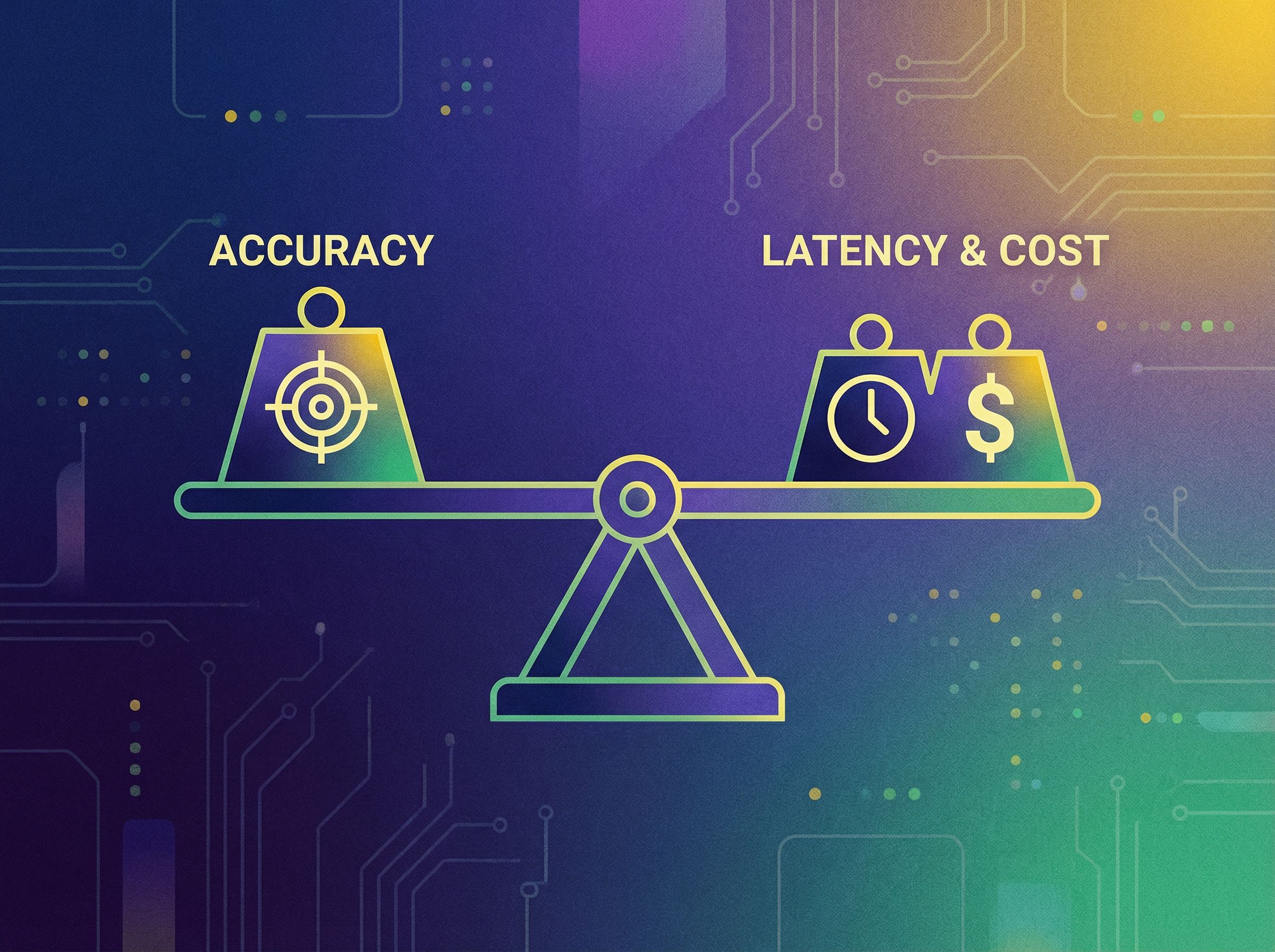
- Cost and latency: predictable spend per asset and acceptable turnaround time.
Decision rule: buy speed, build governance
Many teams start with off-the-shelf interfaces. The differentiation comes from your governance layer: prompts, style rules, review queues, evaluation sets, and analytics. That’s what makes AI content generation repeatable.
Core capabilities: generating text, images, and code using generative models
AI content generation isn’t one feature—it’s a set of repeatable transformations. Below are the common capabilities SHAPE implements when generating text, images, and code using generative models.
Text generation (drafts, edits, and transformations)
- SEO drafts: service pages, landing pages, FAQs, and supporting articles
- Repurposing: turn webinars into articles, articles into email sequences, notes into briefs
- Editing: tighten clarity, adjust tone, enforce style rules
- Localization: translate with brand tone and market-specific phrasing
- Structured writing: outlines, tables, comparison matrices, checklists
Image generation (creative production with constraints)
- Concept exploration: rapid visual directions for campaigns and product marketing
- Variant generation: multiple background/scene options for ads or hero images
- Brand alignment: style prompts, composition rules, and safe usage guidelines
Code generation (accelerate engineering workflows)
- Scaffolding: components, scripts, boilerplate, and integration templates
- Refactoring assistance: rewrite sections with clearer structure
- Documentation: README drafts, API docs, and inline comments
- Test generation: initial test cases and edge-case coverage drafts

AI content generation pipeline: define inputs → constrain prompts → generate → review → evaluate → iterate.
Quality, safety, and governance for AI-generated content
Scaling AI content generation without governance creates inconsistency and risk. SHAPE builds the controls that keep generating text, images, and code using generative models reliable across teams.
Quality controls
- Brand voice checklist: tone, reading level, prohibited phrases, preferred terminology
- Factuality checks: citations, source links, and “don’t guess” rules
- Formatting constraints: templates, headings, and structured outputs
- Regression tests: ensure quality holds as prompts/models change
Safety controls
- PII handling: redaction rules and safe logging
- Policy prompts: avoid restricted claims; enforce disclaimers where needed
- Human approvals: route high-risk content through review queues
Operational controls
- Access control: who can generate, edit, and publish
- Versioning: track prompt versions, sources, and approvals
- Analytics: measure throughput, cost per asset, and impact on KPIs
Practical rule: If you can’t explain how the output was produced (prompt, inputs, sources, reviewer), you can’t safely scale AI content generation.
Use case explanations
Below are high-ROI scenarios where SHAPE implements AI content generation by generating text, images, and code using generative models with measurable outcomes.
1) SEO and service page production at scale
Teams need consistent pages that match search intent without sacrificing brand voice. AI content generation helps create structured drafts, FAQs, and supporting sections—then routes final approval through editors.
- Outcome: faster publish velocity while preserving quality standards
2) Content repurposing for campaigns (one source → many formats)
Turn a single asset (webinar, research, product announcement) into multiple outputs: blog posts, social threads, email sequences, and landing-page sections.
- Outcome: lower production cost per channel and improved message consistency
3) Support knowledge base drafts and ticket response assistance
AI content generation can draft knowledge articles and suggested replies using internal sources. For grounded answers, pair with RAG systems (knowledge-based AI).
- Outcome: reduced resolution time and improved self-serve deflection
4) Brand-safe image generation for marketing
Creative teams use generative models to explore concepts and produce variants quickly—while enforcing style and usage constraints.
- Outcome: faster creative iteration and more experiments per campaign
5) Engineering acceleration with code generation
Developers use generative models to scaffold components, generate initial tests, and draft documentation—especially useful when integrated into existing workflows.
- Outcome: reduced cycle time for repetitive tasks and improved documentation coverage
Start an AI content generation engagement
Step-by-step tutorial: launch an AI content generation workflow
This playbook mirrors how SHAPE operationalizes AI content generation—generating text, images, and code using generative models with predictable quality and governance.
- Step 1: Choose one workflow and define success metrics Pick a single job (SEO drafts, support article drafts, ad creative variants, code scaffolding). Define success metrics like time saved, publish velocity, approval rate, accuracy score, and cost per asset.
- Step 2: Define inputs and “approved sources” Decide what the model can use: briefs, product docs, knowledge base articles, brand guidelines. If factual accuracy matters, plan grounding via RAG systems (knowledge-based AI).
- Step 3: Create a prompt system (templates + constraints) Write reusable prompts with clear output formats and constraints: tone, banned claims, required headings, and citations. This is the foundation of consistent AI content generation.
- Step 4: Implement human review and approvals Define who reviews what, and when. Route high-risk content (legal claims, medical/financial advice, brand-sensitive assets) through an approval queue—often supported by Custom internal tools & dashboards.
- Step 5: Add evaluation and regression checks Create a scorecard and a small test set. Track brand fit, factuality, formatting, and originality. Block prompt/model changes that degrade quality.
- Step 6: Integrate into production systems Connect to your CMS, ticketing tool, or repo. For production orchestration and monitoring, pair with LLM integration (OpenAI, Anthropic, etc.).
- Step 7: Track outcomes and iterate weekly Measure throughput, time saved, cost, and business impact (traffic, conversions, deflection, engineering cycle time). Improve the workflow by updating prompts, sources, and review rules.
Practical tip: The fastest way to improve AI content generation is to review “failed outputs” weekly and fix the root cause: missing inputs, unclear constraints, weak style rules, or lack of grounding.
Wer sind wir?
Shape unterstützt Unternehmen beim Aufbau interner KI-Workflows zur Optimierung ihrer Geschäftsprozesse. Wenn Sie auf Effizienzsteigerung Wert legen, können wir Ihnen unserer Meinung nach helfen.

Kundenmeinungen
Unsere Kunden lieben die Schnelligkeit und Effizienz, die wir bieten.


Häufig gestellte Fragen
Hier finden Sie Antworten auf Ihre dringendsten Fragen zu unseren Dienstleistungen und zum Dateneigentum.
Alle generierten Daten gehören Ihnen. Wir legen großen Wert auf Ihr Eigentum und Ihre Privatsphäre. Sie können jederzeit darauf zugreifen und sie verwalten.
Absolut! Unsere Lösungen sind so konzipiert, dass sie sich nahtlos in Ihre bestehende Software integrieren lassen. Unabhängig von Ihrer aktuellen Konfiguration finden wir eine kompatible Lösung.
Wir bieten umfassenden Support für einen reibungslosen Ablauf. Unser Team steht Ihnen bei Fragen und Problemen zur Verfügung. Außerdem bieten wir Ihnen Ressourcen, mit denen Sie unsere Tools optimal nutzen können.
Ja, die Personalisierung ist ein zentrales Merkmal unserer Plattform. Sie können die Eigenschaften Ihres Agenten individuell an die Markenbotschaft und Zielgruppe anpassen. Diese Flexibilität steigert die Interaktion und Effektivität.
Wir passen die Preisgestaltung individuell an jedes Unternehmen und dessen Bedürfnisse an. Da unsere Lösungen aus intelligenten, kundenspezifischen Integrationen bestehen, hängen die Endkosten maßgeblich von der gewählten Integrationsstrategie ab.
Alle Dienstleistungen
Finden Sie Lösungen für Ihre drängendsten Probleme.